Land of Fortresses: Photographing Northumberland's Castles
Northumberland is a landscape defined by its edges. As a border region with a turbulent, complex history, it holds more castles than any other county in England. For an architectural and landscape photographer, this region represents an incredible canvas where heavy medieval masonry meets the raw, volatile mood of the North Sea borderlines.
On my recent photographic journey along this historic coastline, I set out to document how these imposing stone sentinels interact with the changing light and terrain. From perfectly preserved strongholds to wave-battered ruins, each site carries a distinct structural geometry that tells a story of defense, isolation, and timeless endurance.
A structural look into the defensive heritage across England’s northern border.
1. Strongholds of Power: Bamburgh & Alnwick
My first stops focused on two of the county's most iconic and beautifully preserved fortresses. Standing beneath their massive walls, the sheer scale of the stone blocks and the defensive placement within the natural landscape dictate your photographic compositions.
Bamburgh & Alnwick Castles
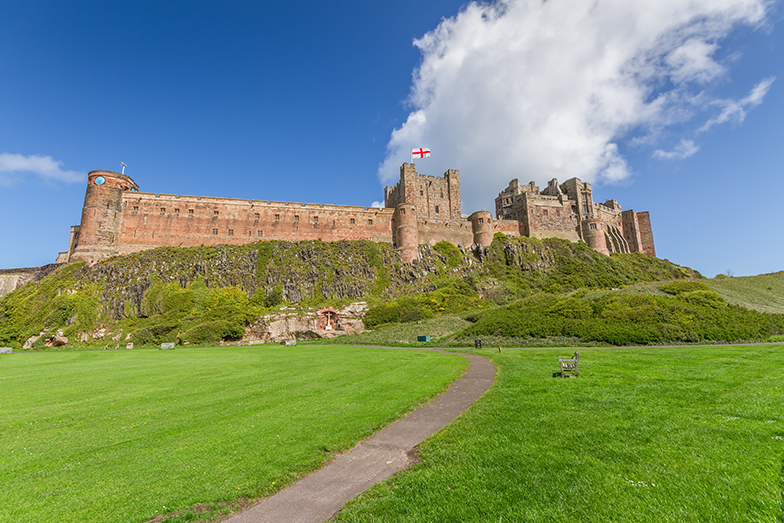
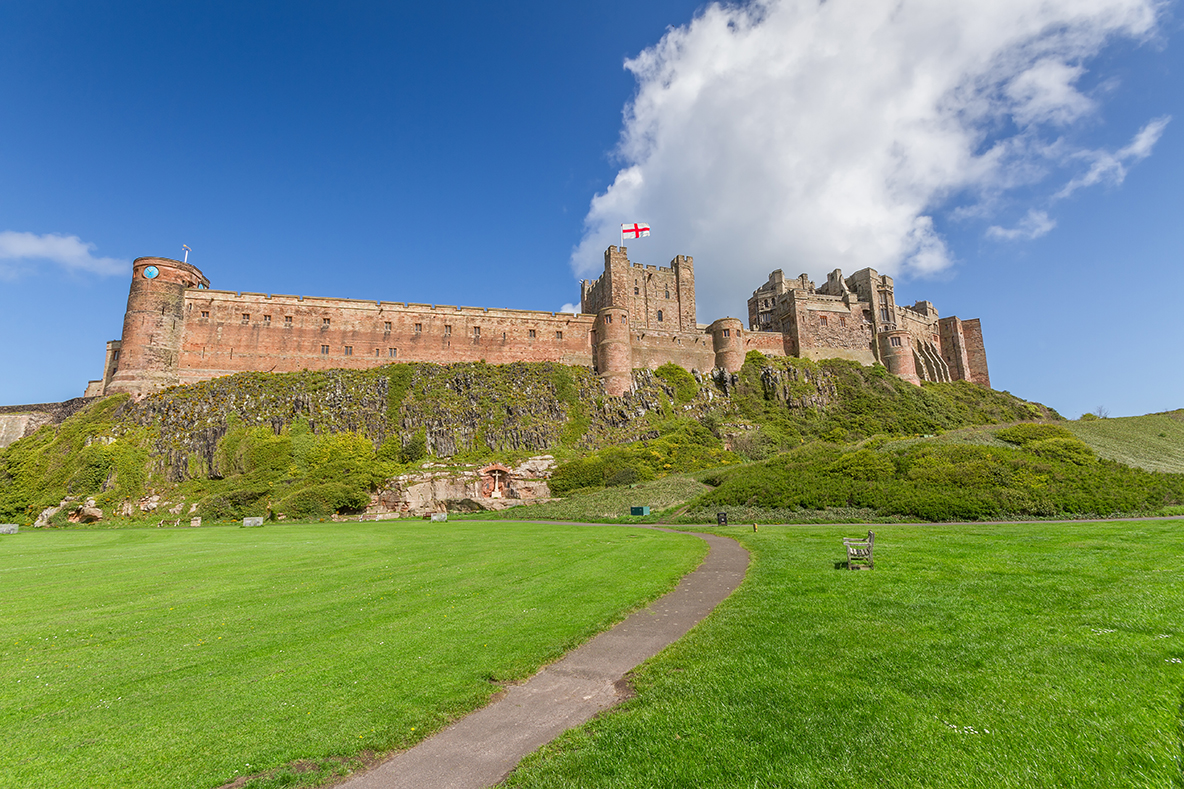
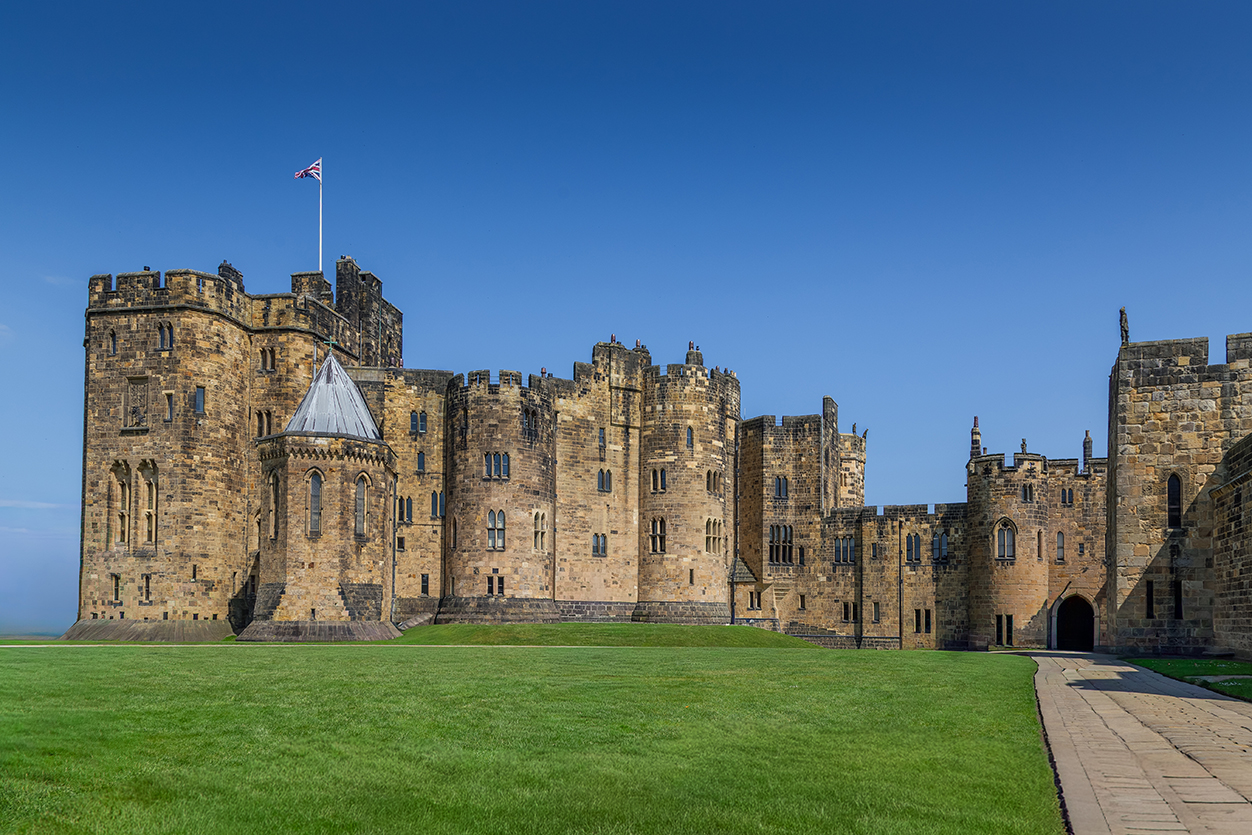
Bamburgh Castle rises dramatically from a volcanic crag directly on the shoreline, commanding the sandy beaches below. I used a low angle to follow the sweeping green path up toward its imposing silhouette. Moving inland to Alnwick Castle, the architecture shifts toward majestic palatial geometry. Here, I emphasized the strong, clean lines of the inner courtyards and peripheral walls stretching beneath a crisp, deep blue sky.
2. The Coastal Ruins: Dunstanburgh & Warkworth
There is a deep poetic contrast when photographing ruins. Stripped of their roofs and interior structures, the skeletal stone frames open up completely new geometric relationships with the surrounding elements.
Dunstanburgh & Warkworth Castles
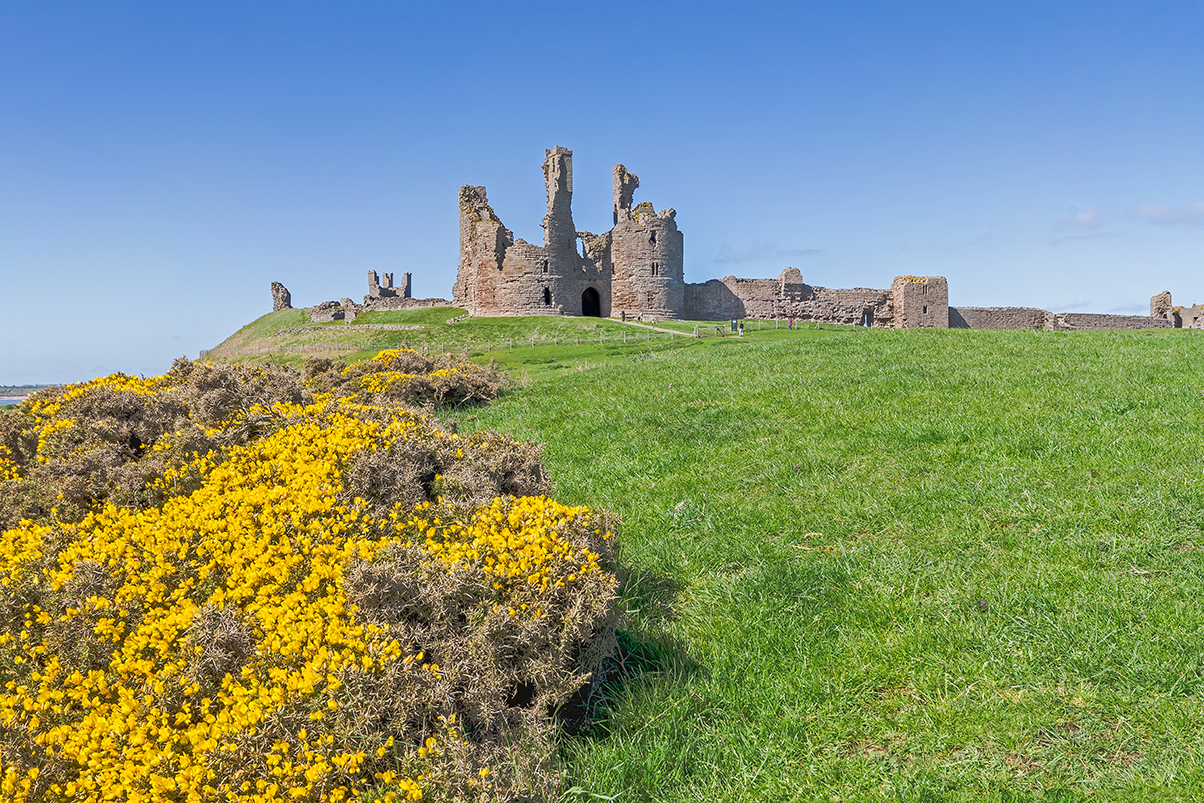
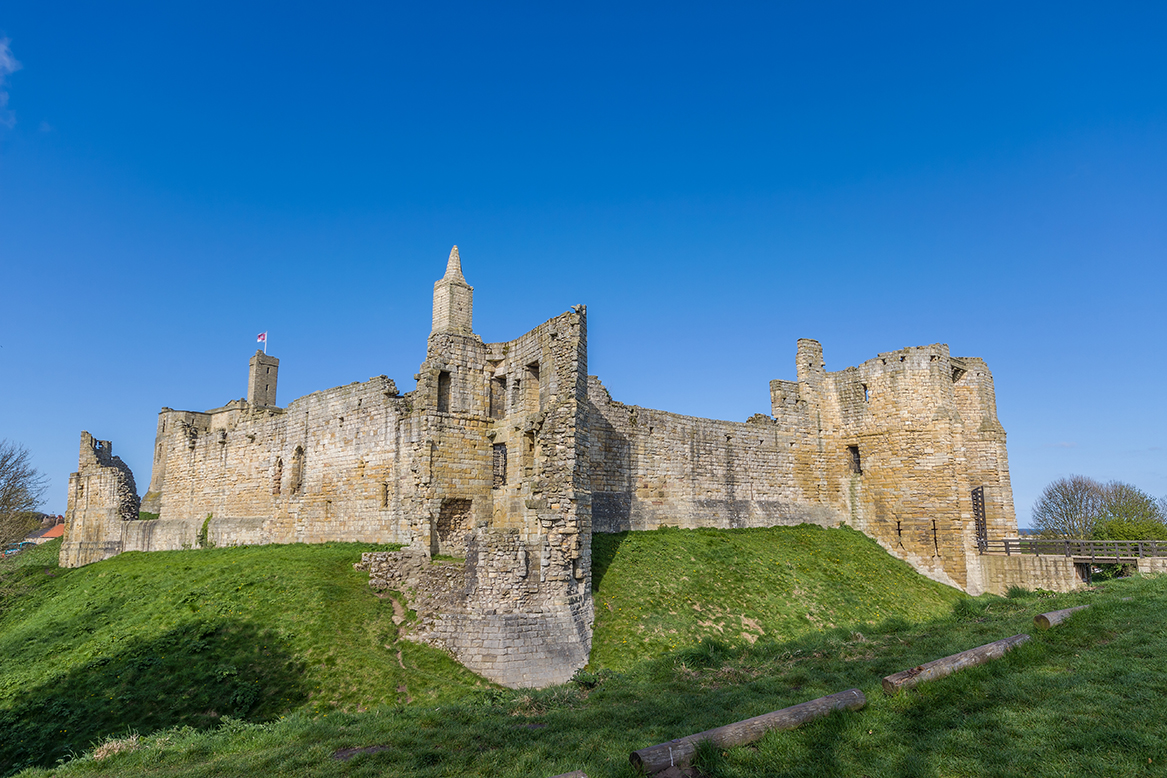
The walk to Dunstanburgh Castle across the windswept coastal paths reveals an incredibly dramatic silhouette. Framed by vibrant yellow gorse bushes, the fractured Lilburn Tower stands defiantly against the horizon. Further south along the River Coquet, the imposing keep of Warkworth Castle rises up above a green bank. I composed this shot to capture the steep, angular perspective of its outer curtain walls and surviving turrets.
3. The Tidal Sanctuary: Holy Island
The final leg of the journey took me to Holy Island. Accessible only twice a day via a tidal causeway that disappears entirely beneath the North Sea, Lindisfarne Castle demands that you plan your frames around the rhythm of the tides.
Lindisfarne Castle & The Harbour Paths
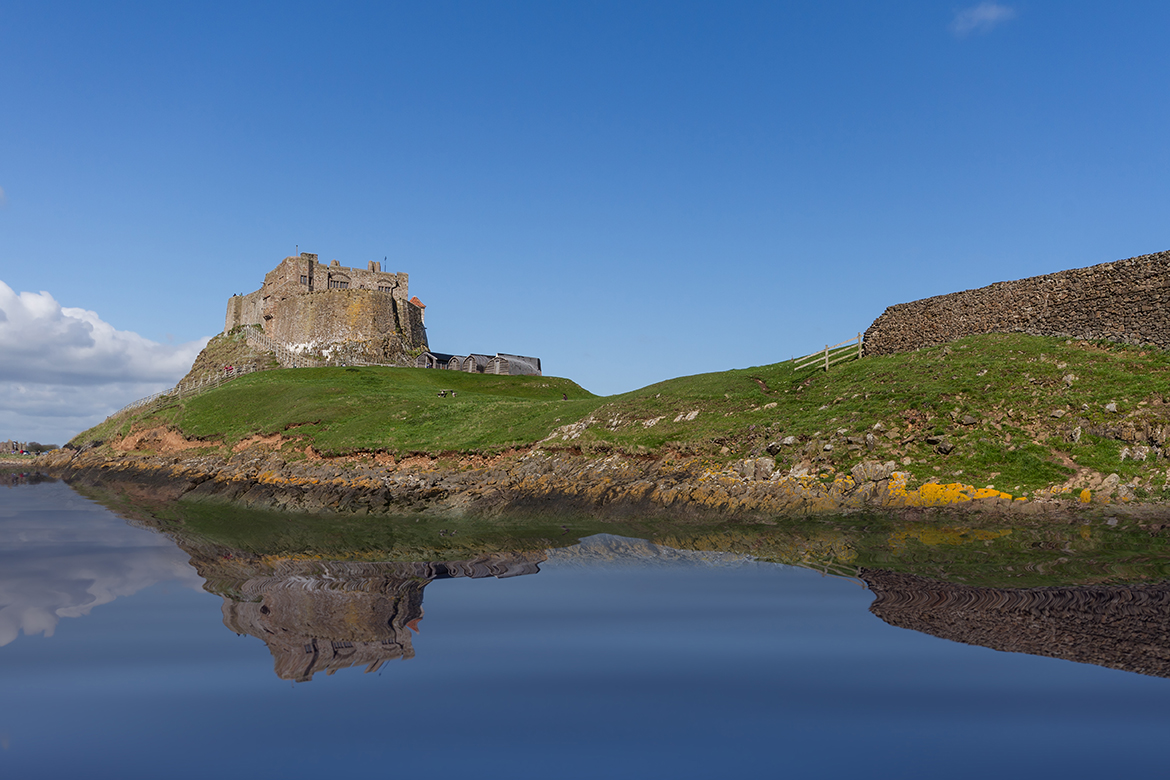
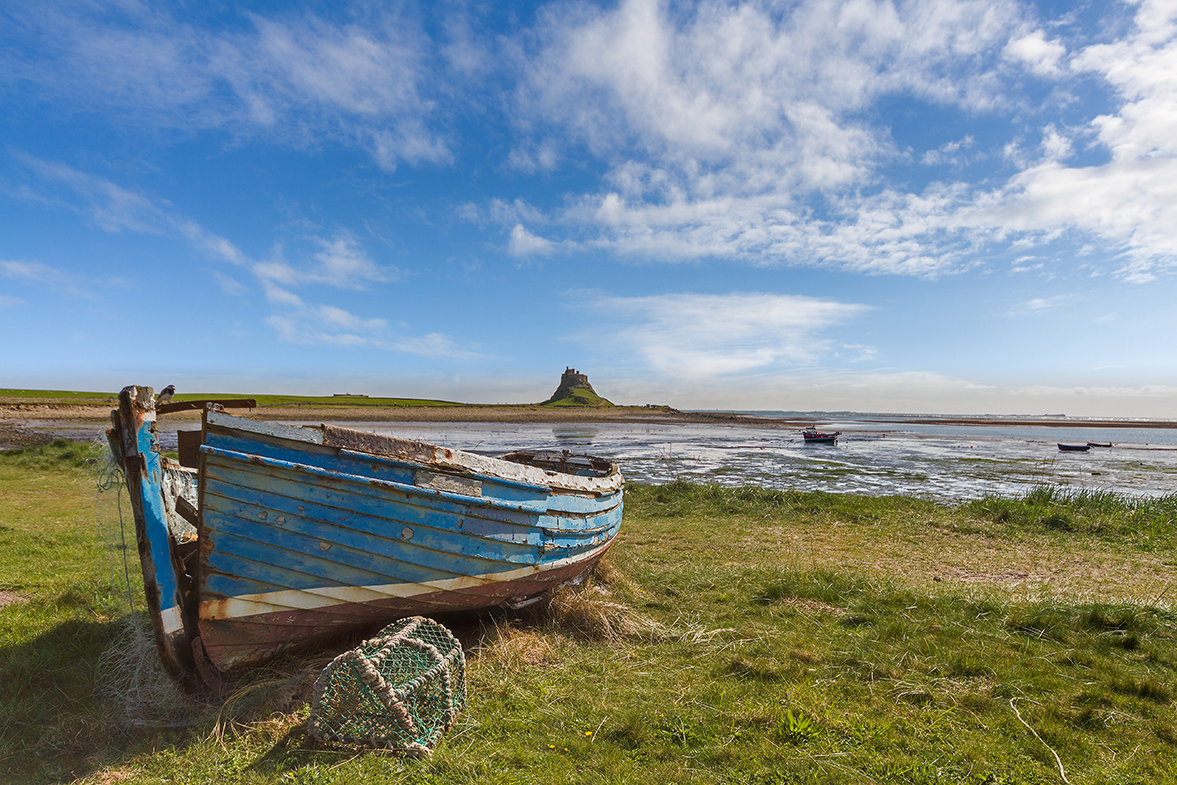
Perched on the rocky volcanic mound of Beblow Crag, Lindisfarne Castle feels completely isolated. When the tide is high, the glass-like water creates a near-perfect architectural reflection on the bay. When the water recedes, the shore opens up to reveal old, overturned herring boats repurposed into sheds. I used one of these weathered blue vessels in the foreground to create a strong lead-in line heading directly toward the castle in the distance.

3 Comments on "Land of Fortresses: Photographing Northumberland's Castles"