Chasing the Aurora: A Winter Journey Through Iceland
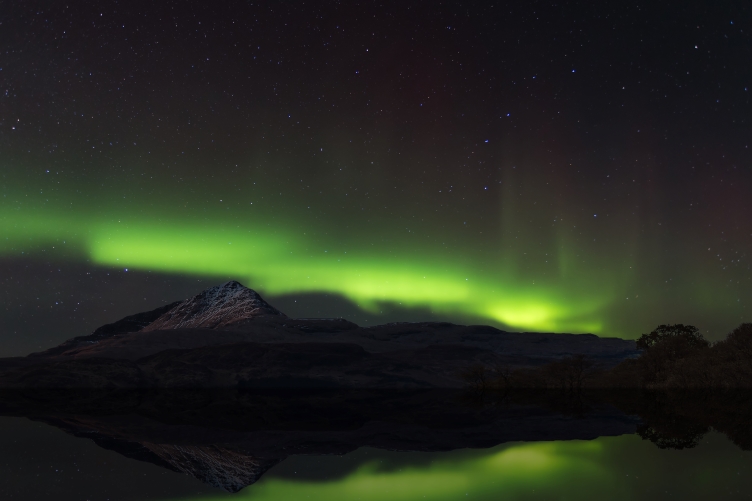
There is a specific kind of pull that Iceland exerts on a photographer. For years, I had a single, burning obsession fixed at the top of my bucket list: to see the Aurora Borealis with my own eyes and capture its elusive, dancing light through my lens.
That obsession is exactly what landed me in Reykjavík on January 16, 2015. Stepping off the plane into the crisp, biting cold of a sub-arctic winter, I knew I was in for an unforgettable adventure. With the capital city as my central base, I spent the following weeks driving out into the elements, chasing the fleeting daylight, and discovering a landscape shaped by fire, ice, and atmospheric magic.
Here is the story of that journey, told through the frames I captured along the way.
1. Reykjavík: The Urban Basecamp
Choosing to stay in the city center gave me the perfect balance of a warm sanctuary and a launching pad for daily road trips. Reykjavík in January has an intimate, quiet charm—the days are short, the air is sharp, and the nights are long enough to give you a fighting chance at spotting the Northern Lights right from the coastline.
Hallgrímskirkja Cathedral
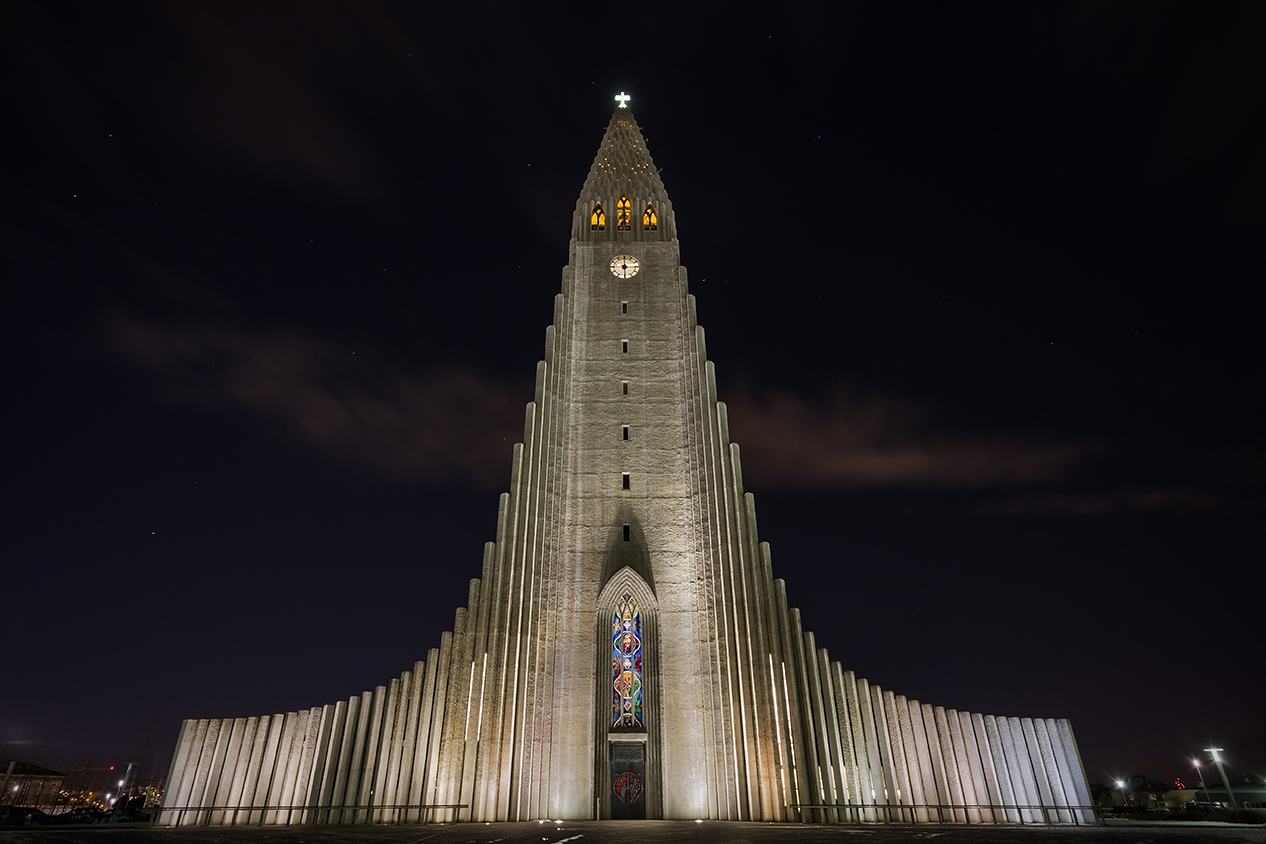
Before venturing out into the wilderness, I spent my first evening photographing the crown jewel of the city’s skyline: Hallgrímskirkja Cathedral.
The architecture is a magnificent tribute to Iceland’s volcanic geology, designed to mimic the columns of basalt lava found throughout the country. Standing before it at night, the upward sweeping lines felt incredibly dramatic against the dark sky. To capture its imposing scale and the warm glow radiating from its stained-glass entrance, I set up my tripod for a balanced, symmetrical night long exposure.
2. The Golden Circle: Earth, Steam, and Frozen Water
No winter trip to Iceland is complete without exploring the historic Golden Circle. Witnessing these geologic wonders locked in winter's icy grip completely changes their character, transforming powerful torrents of water and steam into ethereal spectacles.
Þingvellir National Park
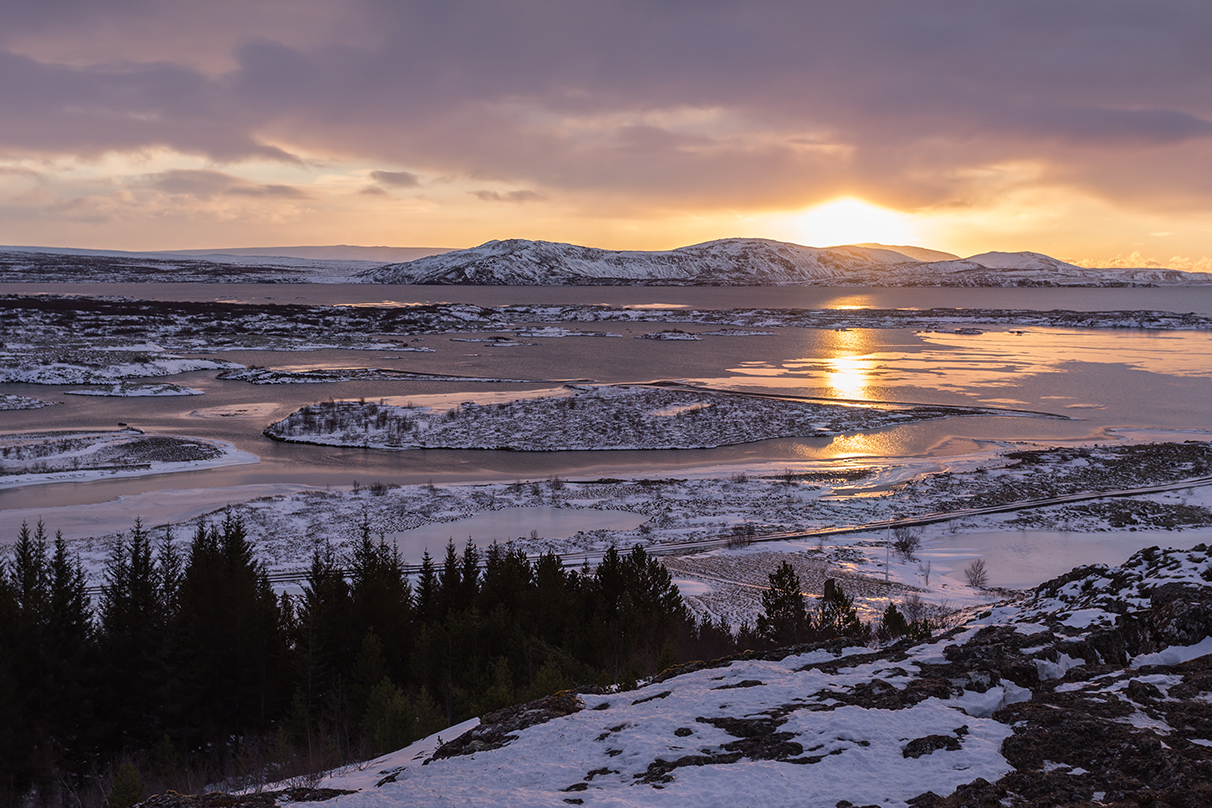
Driving out of the city, my first stop was Þingvellir National Park. This UNESCO World Heritage site is where the North American and Eurasian tectonic plates are slowly tearing apart. In the deep winter freeze, the rugged landscape takes on a serene, almost painterly quality. Standing on the high ridges as the sun hovered low on the horizon, I captured a breathtaking golden sunset reflecting off the icy waters and snow-dusted plains below.
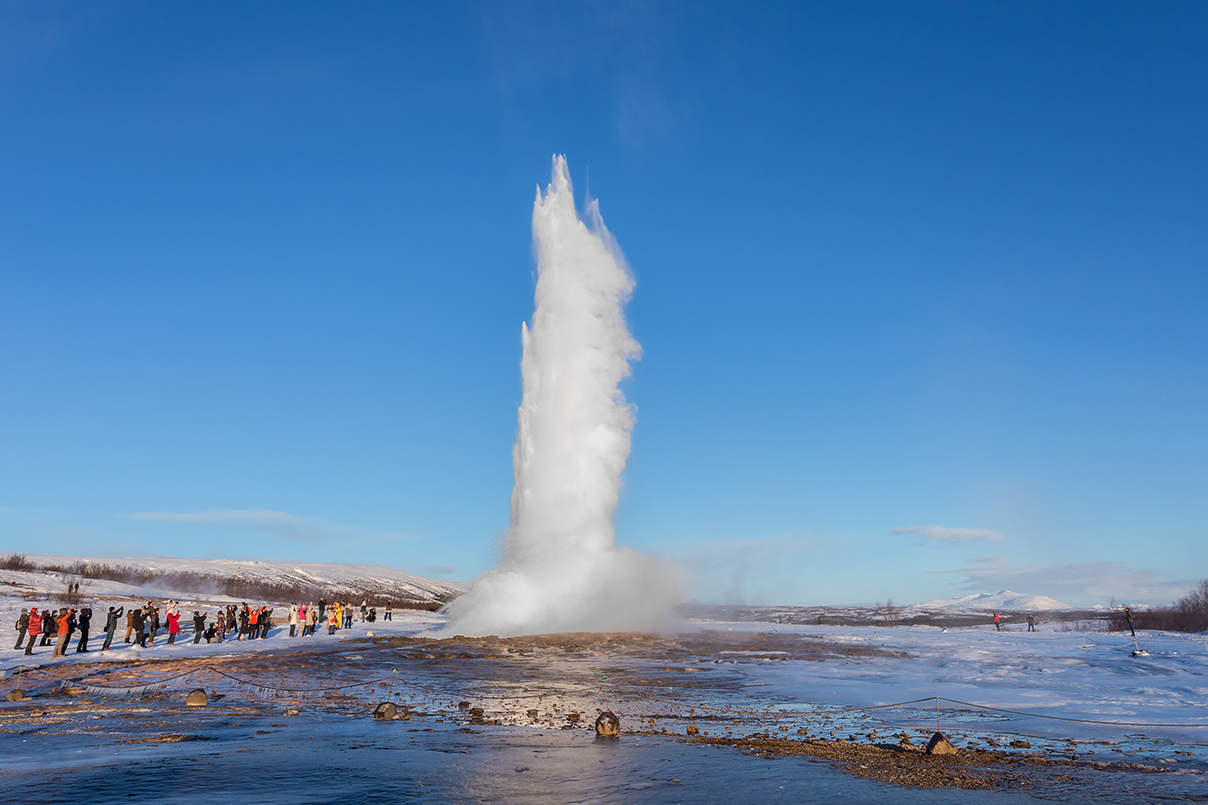
The Geysir Geothermal Area & Strokkur
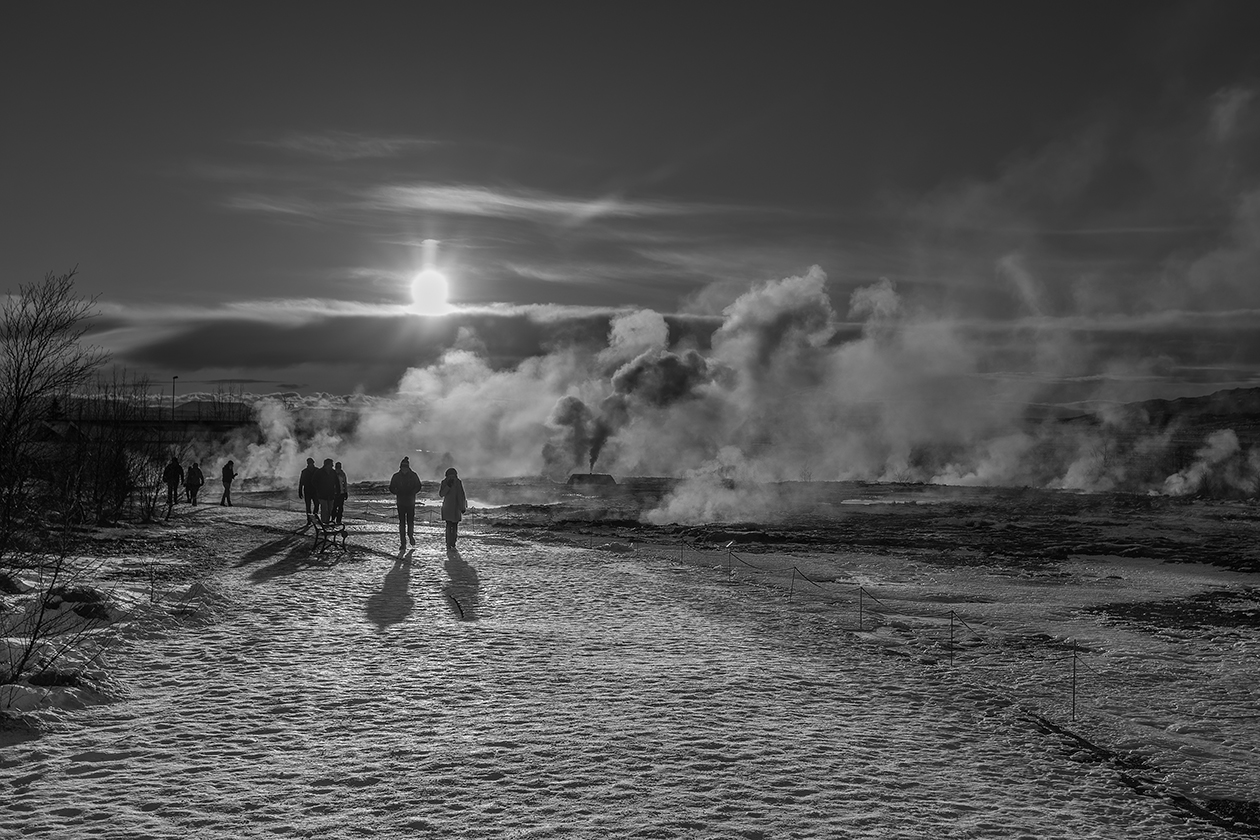
Next, I headed into the valley of Haukadalur to photograph the intense geothermal activity at Geysir. The contrast here is jarring: freezing winter air clashing with boiling earth. Walking along the snowy paths, the terrain is constantly shrouded in thick, mysterious plumes of geothermal smoke that catch the low-slung winter sun.
Gullfoss Waterfall
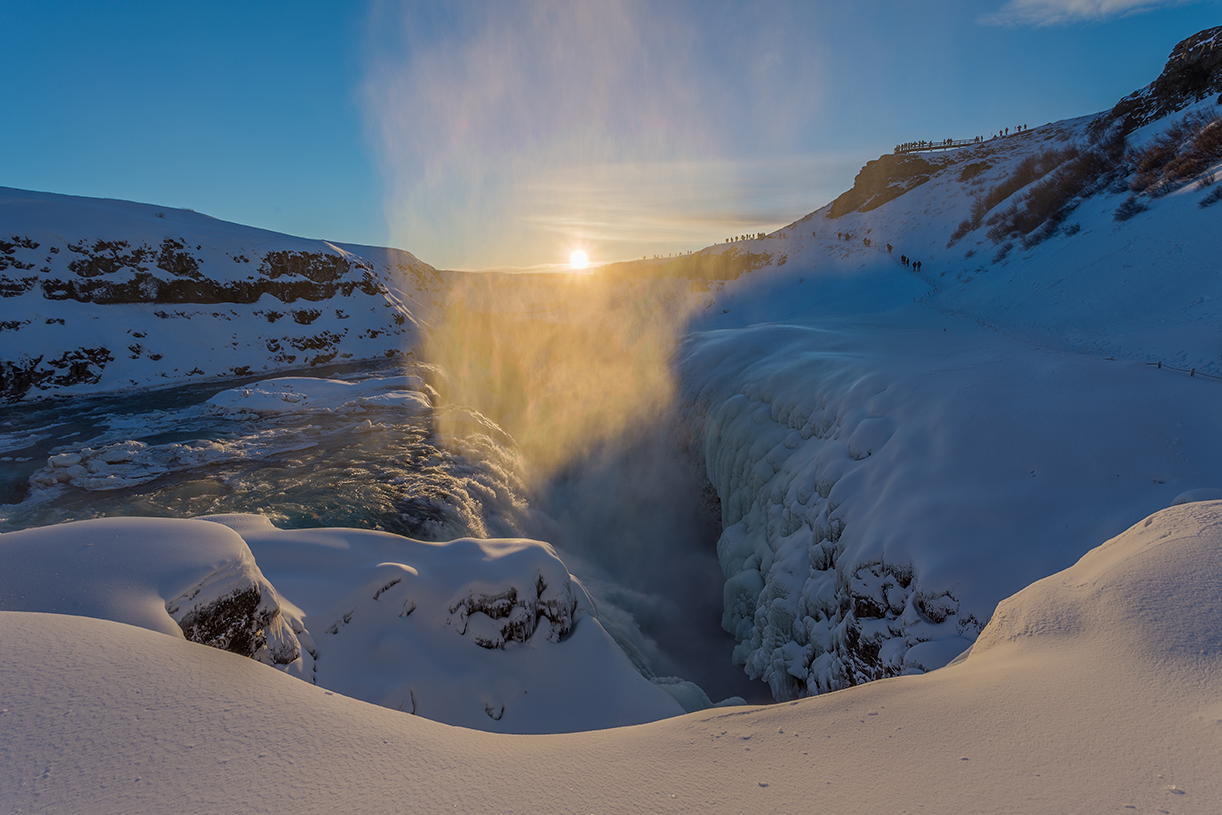
The finale of the Golden Circle was the mighty Gullfoss Waterfall. Translated as the "Golden Falls," it earned its name perfectly on the afternoon I visited. The sun broke through the heavy atmosphere just as it began to set, illuminating the massive cloud of frozen mist rising from the canyon. The entire multi-tiered waterfall was surrounded by massive walls of ice, creating a scene that felt completely otherworldly.
3. The Dramatic South Coast
Leaving the Golden Circle behind, I pushed further south along Route 1. The South Coast of Iceland is a photographer's paradise, defined by towering cliffs, cascading falls, and stark black coastlines.
Seljalandsfoss Waterfall
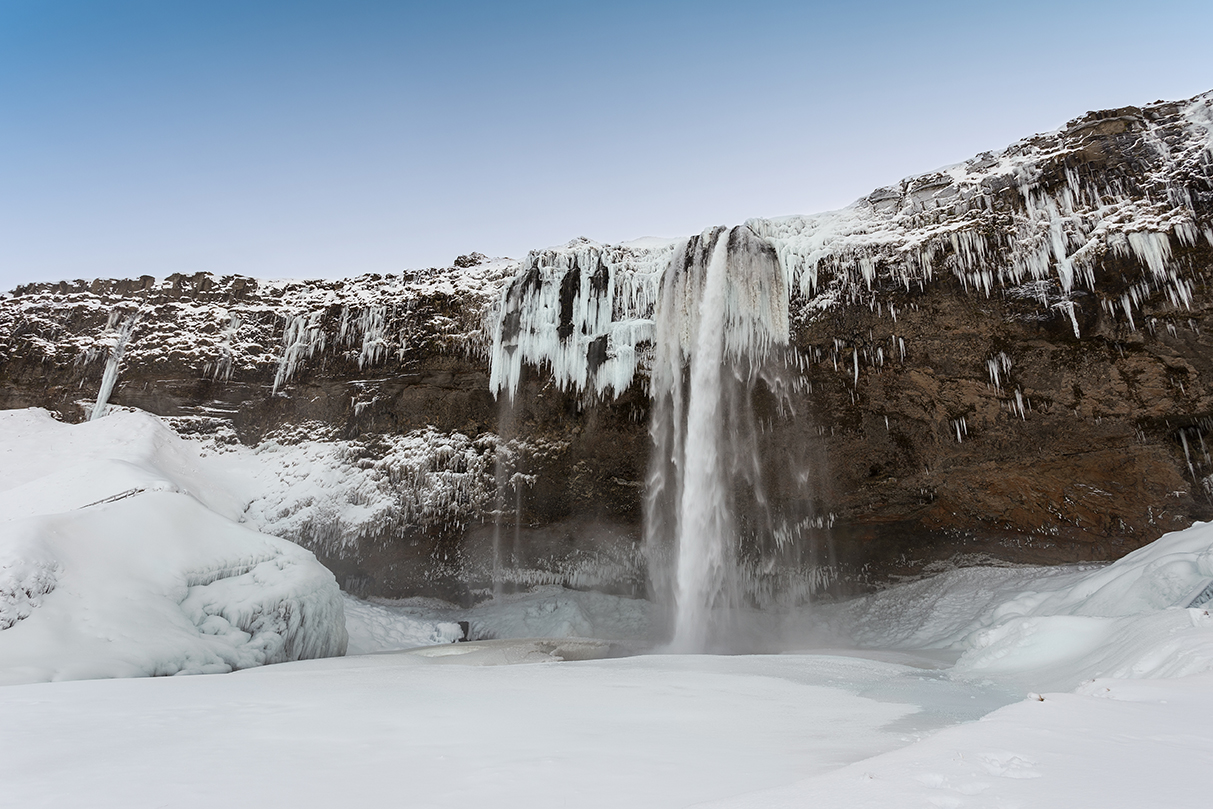
Seljalandsfoss is famous because you can normally walk entirely behind the cascading water. However, in mid-January, the paths transform into a treacherous sheet of solid ice, and the surrounding cliffs are draped in massive, curtain-like icicles. I chose a composition that emphasized the vertical rush of the water against the deeply frozen rock face, framed by a brilliant, clear sky.
Basalt Black Sand Beach (Reynisfjara)
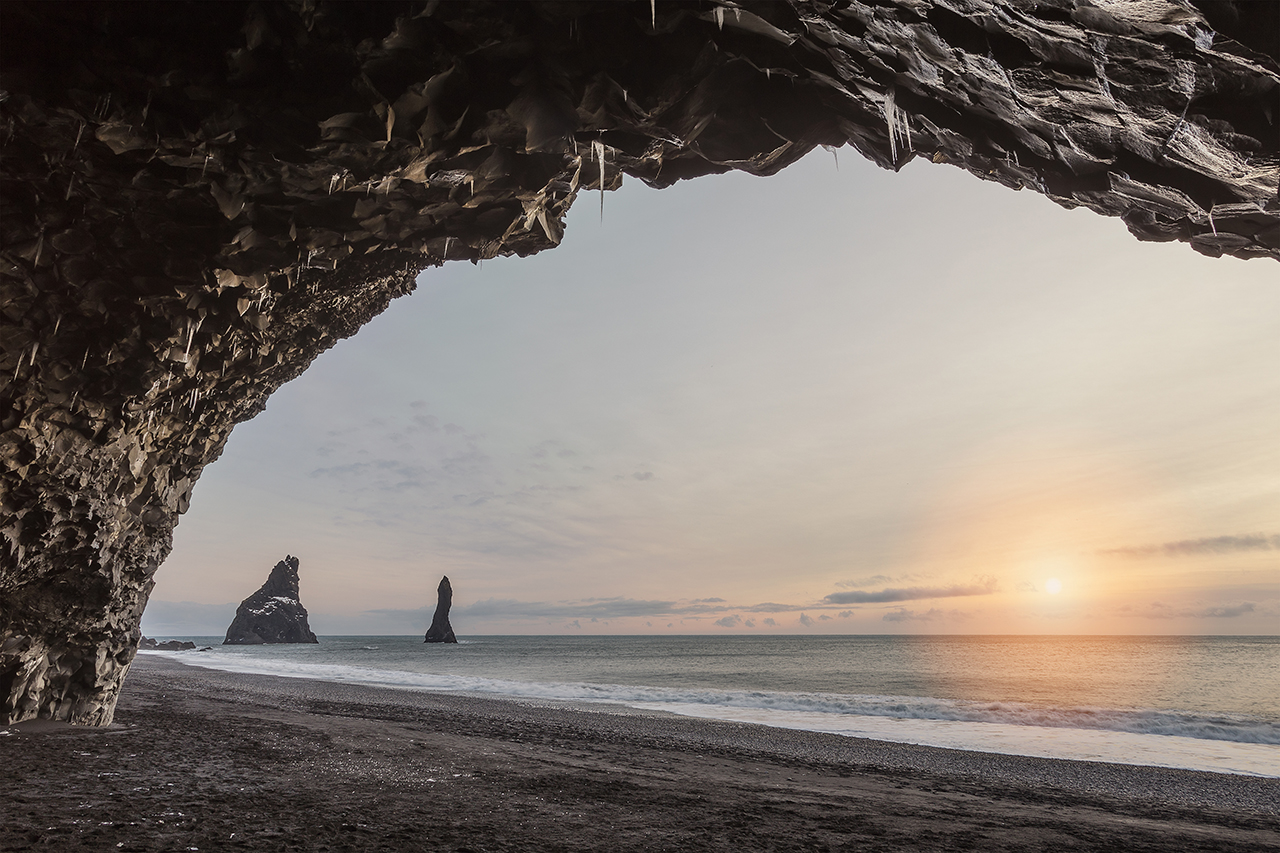
Driving all the way down to the southern edge of the island brought me to the world-famous Basalt Black Sand Beach near Vík. This landscape is incredibly moody, demanding a fine-art approach.
I found shelter inside a massive basalt column cave on the shoreline. Looking out from the safety of the dark volcanic roof, the view of the Reynisdrangar sea stacks rising from the roaring Atlantic Ocean at twilight felt profoundly cinematic.
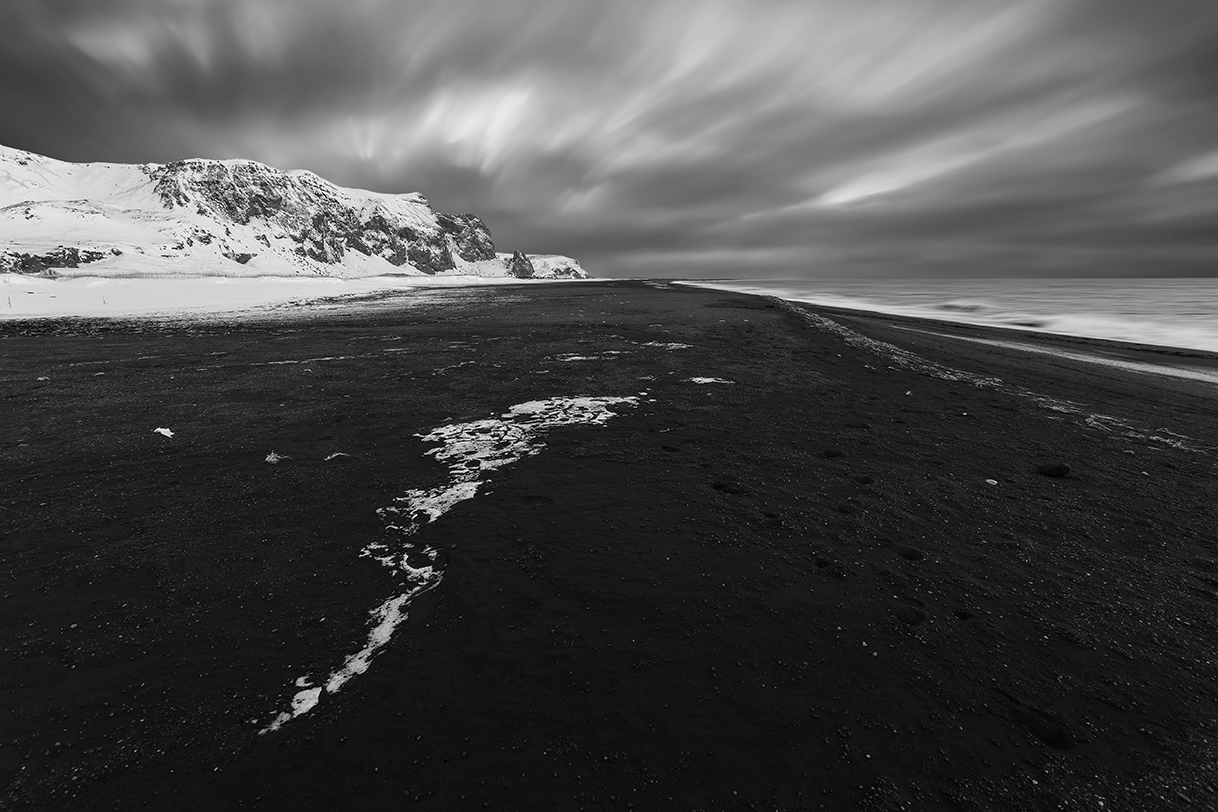
Stepping out onto the open black sands, the sheer scale of the landscape takes over. To convey the raw, isolated mood of the Southern coast, I stripped away the color and captured the black sand beach in high-contrast black and white. Using a long exposure, I blurred the violent crashing waves and the rushing winter clouds, leaving a stark, minimal frame of white sea foam cutting across the ink-black volcanic sand.
Final Thoughts: The Mid-Winter Photographic Experience
Traveling through Iceland in January presents its own unique set of challenges—limited daylight hours, sub-zero temperatures that freeze your fingers and drain your camera batteries, and unpredictable road conditions.
But for a landscape photographer, those challenges are exactly what make it rewarding. The sun never rises high in the sky; instead, it skirts along the horizon all day, providing a continuous, hours-long "golden hour" of soft, dramatic light. While the Aurora Borealis remained an elusive chase that kept me out late into the freezing nights, finally capturing it in its purest element was a moment I will never forget.
Iceland changed the way I look at landscapes, and these frames will always remind me of the magic that happens when you pack your gear, brave the cold, and chase a dream.
Are you planning a winter trip to Iceland or working on capturing landscapes in extreme weather? Let me know your thoughts or drop your questions in the comments below!
4 Comments on "Chasing the Aurora: A Winter Journey Through Iceland"